
AC Blowing Warm Air? 7 Common Causes and How to Fix Them
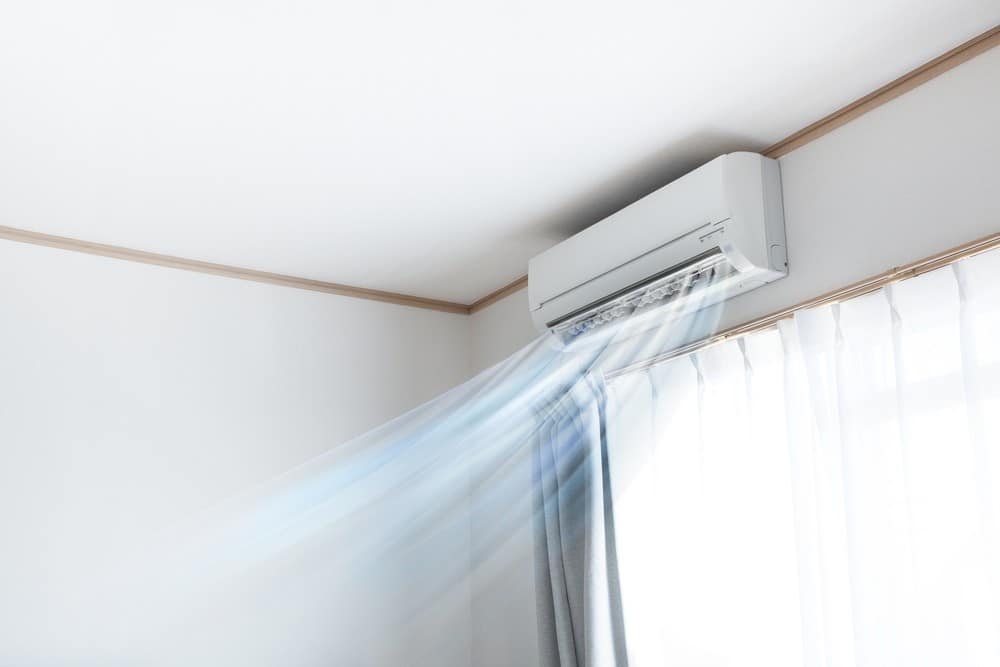
Your air conditioner is running, but the air coming out of the vents feels warm instead of cool. That usually means one of seven things: a dirty filter, a thermostat set wrong, low refrigerant, a blocked condenser coil, a frozen evaporator coil, a failed capacitor, or a failing compressor. Some of these you can check yourself in five minutes. Others need a licensed technician before the problem gets worse.
This guide walks through each cause, how to tell which one you have, and what it takes to fix it.
Why Your AC Blows Warm Air Instead of Cold
Central air conditioning does not create cold air. It removes heat from the air inside your home and releases that heat outside. Refrigerant absorbs heat at the indoor evaporator coil, and the compressor pumps that refrigerant to the outdoor condenser coil, where the heat releases into the outside air. The blower fan then pushes the cooled air back through your ducts.
Warm air from your vents means one part of that cycle has stopped working. The fan can keep running and moving air even when the cooling process has failed. That is why you can have full airflow and still feel no relief.
Check These Three Things First
Before you assume the worst, rule out the simple stuff.
- Thermostat mode and fan setting. Confirm it is set to “Cool,” not “Heat” or “Fan Only.” Set the fan to “Auto” instead of “On,” since “On” runs the blower constantly whether or not the system is actively cooling.
- Power supply. Check your electrical panel for a tripped breaker, and confirm the outdoor unit’s disconnect switch is in the on position.
- Air filter. Pull the filter and hold it up to a light. If you cannot see light through it, replace it.
If these three checks do not solve it, one of the seven causes below is likely responsible.
7 Common Causes of AC Blowing Warm Air
1. Dirty or Clogged Air Filter
A clogged filter restricts airflow across the evaporator coil. Reduced airflow lowers the coil’s ability to absorb heat, and in many systems it also causes moisture on the coil to freeze into ice. Once ice builds up, the coil stops cooling the air almost entirely. The Department of Energy recommends checking your filter every one to two months during cooling season and replacing it sooner if you run the system constantly or have pets. This is the single most common cause of warm air, and the easiest to fix yourself.
2. Thermostat Set to the Wrong Mode
A thermostat set to “Heat,” “Fan Only,” or even a target temperature above the room’s actual temperature will not run the cooling cycle. Dead batteries or a miscalibrated sensor can also cause a thermostat to misread the room and stop calling for cooling. If your thermostat is more than 10 years old or has a history of losing programming, a smart thermostat upgrade removes most of this guesswork.
3. Low Refrigerant From a Leak
Refrigerant does not get “used up” during normal operation. If your system is low, it is losing refrigerant through a leak somewhere in the coils or line set. Low refrigerant means the evaporator coil cannot absorb enough heat from the air passing over it, so the air coming out feels warm even though the blower is running fine. A leak will not fix itself, and running a system low on refrigerant for an extended period can damage the compressor. This repair requires a licensed technician to locate the leak, repair it, and recharge the system to the correct level.
4. Dirty or Blocked Outdoor Condenser Coil
The outdoor unit needs to release heat into the air around it. Grass clippings, leaves, mulch, and dust build up on the condenser coil and block that heat transfer. Overgrown shrubs or a fence placed too close to the unit cause the same problem. Carrier’s HVAC resource team recommends clearing at least two feet of space around the outdoor unit and rinsing the coil fins with a garden hose when they look visibly dirty.
5. Frozen Evaporator Coil
Ice on the indoor evaporator coil blocks airflow completely, and the system blows warm or barely-cool air until the ice melts. Frozen coils are usually a symptom of a deeper problem, most often a dirty filter, low refrigerant, or a failing blower motor that cannot move enough air across the coil. Turn the system off and switch the fan to “On” to let the ice melt before you inspect further. Never chip at ice with a tool. That can puncture the coil and turn a filter problem into a refrigerant leak.
6. Failed Capacitor or Electrical Component
The compressor and outdoor fan need a jolt of electricity to start, and the capacitor supplies it. A weak or failed capacitor prevents the compressor from starting even though the indoor blower keeps running, which is one of the more confusing versions of this problem because you still feel airflow. Listen for a humming or clicking sound from the outdoor unit. That is a common sign of a failed capacitor or contactor. A tripped breaker that resets and trips again points to the same category of electrical fault and should not be reset repeatedly.
7. Failing Compressor
The compressor drives the entire refrigerant cycle. If it fails or overheats and shuts itself down, refrigerant stops circulating and the system can only move air, not cool it. Compressor failure is often the end result of a problem that went unaddressed for too long, such as a long-term refrigerant leak or repeated electrical strain. Compressor replacement is the most expensive of the seven fixes, and on an older system it is often the point where repair cost gets compared against full replacement.
DIY Fix or Call a Professional?
The filter check, thermostat check, breaker check, and clearing debris from the outdoor unit are all safe for a homeowner to handle. They take a few minutes and require no tools beyond what is already in your house.
Refrigerant leaks, capacitor and electrical repairs, frozen coils that keep recurring, and compressor problems involve pressurized refrigerant, high-voltage components, or diagnostic work that requires gauges and training. Cleveland homeowners who get past the basic checks without finding the problem should schedule AC repair rather than keep running a system that is not cooling. A system running with a mechanical fault can develop more expensive damage the longer it operates.
Why Cleveland Summers Make This Worse
Cleveland summers combine heat with heavy humidity, and a struggling AC system falls further behind on humid days than on dry ones. Homes in older neighborhoods like Lakewood and Parma often run systems that are 10 to 15 years old, and older components fail more often under sustained summer demand. A unit that limps along on a mild June day can stop cooling completely during a July heat wave, right when you need it most. Waiting out a warm-air problem during peak season usually makes it worse, not better.
What AC Repair Costs in Cleveland
Repair costs depend on which of the seven causes you have. Diagnostic fees cover the technician’s time to identify the problem and typically apply toward the repair cost. Simple fixes, like a capacitor or thermostat replacement, cost the least. Moderate repairs, such as fan motor or control board replacement, cost more due to parts and labor. Refrigerant leak repairs vary based on refrigerant type, since older R-22 systems cost significantly more to recharge than newer R-410A systems. Compressor replacement is the most expensive repair on this list and is where many homeowners start comparing repair cost against replacing the whole system, particularly on units over 12 years old.
Preventing Your AC From Blowing Warm Air Again
Most of the seven causes above are preventable with regular maintenance.
- Change filters on schedule. Every one to three months during cooling season, more often with pets or high dust.
- Keep the outdoor unit clear. Two feet of clearance from plants, fencing, and debris.
- Book an annual tune-up. Annual AC maintenance catches worn capacitors, low refrigerant, and dirty coils before they cause a breakdown.
- Watch for early warning signs. Reduced airflow, unusual noises, or short cycling often show up weeks before a full failure.
Get Fast AC Repair in Cleveland From Haven
Haven has served Ohio homeowners for more than 100 years, and our Cleveland technicians repair all major AC brands with same-day service available for most calls. We diagnose the actual cause before we quote a price, so you know what you are paying for and why. Every repair includes a parts and labor warranty.
If your AC is blowing warm air and the basic checks above did not fix it, schedule AC repair with Haven and get your cooling back the same day in most cases.
Opening Hours
- Monday
- Tuesday
- Wednesday
- Thursday
- Friday
- Sat - Sun
Check Out Some of Our Projects
Explore more of our projects in our portfolio.
See What Our Customers Say About Haven


Today I had problem in my bathroom,.They looked very well and explained to me very clear. I love that he talk with respect and you can see he have knowledge. They will coming back to changed my shower handle.


Al and Tony were very efficent and informative about what had caused the leak. They came in and quickly determined what the issue was and how to fix it. After they had fixed the leak they cleaned everything up! They were wonderful and I would recommend them 100%.

The technician, Bobby and Jeff were polite and considerate. Came in surveyed the trouble area, made an assessment, repaired the supply line to the toilet and replaced the toilet valve. No leaks detected.

Jonny was quick, efficient and kind. He came to my home within an hour and fixed my issue within 15 min on Christmas Eve for an affordable price.


They are professional, knowledgeable, and efficient. They fixed my 🚿 shower pipe that was disconnected from the main unit in less than hour. I'll definitely use them for many more plumbing issues. The price was super reasonable and the plumbers were super friendly. 👍👍👍


Had a water leak I thought was from upstairs bath tub vs roof leak. Dan did not rush, was at my home for 2 hours trying to find leak but no leaking pipes found. Also had toilet tank seal and flushing device replaced.


We’ve used them several times and each time they were able to come the same day, had profession and friendly employees, and were a good value!


Piotr was able to identify the issue with our sewage system and explain what needed to be done. The quoting process was easy, we were able to accept and fund online. Piotr and his friendly crew took care of all the permits and inspections needed. As the work was being done, he explained what they needed to do and why. We now have a properly working, updated sewage system which was done quickly, professionally and cleanly.


Prompt reply, Quick to get service for new garbage disposal installation. , Polite and knowledgeable service man with the product I needed on hand. And he left his workplace clean. Highly recommended!!

Tony was knowledgeable, professional, friendly and extremely trustworthy, thoroughly explained the issue, the root cause of the issue and then offered us our options and his opinion on what we should do based on his experiences in the business for over 30 years. We completely felt comfortable and very appreciative of his opinion and we knew that it would be done correctly. While he was there to take care of the issue we scheduled him for, he noticed a very serious issue with how the gas line was installed by another contractor. He provided us with a written estimate of what needed to be corrected and we are scheduling it to be done as well!


Plumbers were great, did a bang-up job, answered all my questions, and were truly pleasant gentlemen.

The initial call was to unclog the drain located in the laundry room, however, the cable would not clear 75' out. However, Mike did everything he could and stayed even though we were having a thunderstorm and the power went out. So, he installed a new sump pump in the sump crock in basement. Mike is very professional, helpful, and friendly. He explained everything that needed to be done and answered all my questions.


Kyle and Jack provided truly outstanding service installing the water line for my new LG refrigerator's ice maker and water dispenser. The job presented some complexity, but they professionally "figured it out" and got the line perfectly installed. I was particularly impressed with how neat and meticulous they were throughout the process. The final result looks great, and everything is working nicely. Highly recommend these two for any tricky installation!

Great work by a super professional at a fair price. Have used them multiple times and am never disappointed. Highly recommend.

They showed up when they said they were going to show up did the work as expected and no surprises on the bill. Great competent employee.

Had a water line extended and an outdoor spigot attached. The extension was literally 5 feet. Job took only an hour. Paid 572 dollars with a senior discount. I thought it was a little much, but the work was well done. Plumber was great.

Overly expensive for the work done. This was a simple repair. The work was done properly. The bill was exorbitant.

Al looked at sump pump and found it to be OK but other issues were discussed. The basement set tub will need replacing and a sump pump with battery backup was recommended. He is very knowledgeable and guided us through the process for a later date.


Brandon arrived on time and solved my problems with my toilets quickly. I am very pleased with the service.

Awesome job. Have used them for 4 years possibly more. Professional on time and very appreciative of their services.

Always honest, with good customer service. After trying out other companies, I went back to them.


Bobby was great he took really good care of me and kept me updated all along the way. He was efficient, clean, and respectful. Took care of all of the several plumbing issues I was having.

My technician today was fast and pretty sure that the problem was the flapper in the toilet needing to be changed lets see if this is it, i believe it will help as well thank you

The service tech arrived promptly and went right to work. Peter was his name and he did an awesome job, repaired everything I needed done plus an extra request. Would recommend this company and Peter to anyone needing plumbing services.


The experience I had with this company was not. My toilets kept flushing and the plumbing technician said, “he knew exactly what the problem is changed out all the filters in my toilet tanks but this wasn’t the problem.” He said, “the work has a warranty for a year.” The problem was not solved therefore I contacted the office again to explained the problem wasn’t solved. I told the same person Blake plumbing technician will be out to Resolve the issue and exactly what problem is but failed to correct it the first time. Now they’re telling me I would need to pay the same price twice in order to correct the problem with the Continuously Flushing. I contacted the office and Claire tells me she would need to inform the owner regarding how much I should pay. She did contacted me back to resolve the toilet tank installation but tells me that flushing mechanism needs to be changed out. The company doesn’t care about their customers just money.

Easily the best experience I’ve had with a plumbing company. Johnny show up early (they let us know who was coming and when), fixed the issue and left everything in better condition than when they showed up. Johnny was very professional and communicated very well! Reasonable pricing as well!
